


Greetings!
Welcome to the Physiology Friday newsletter.
Details about the sponsors of this newsletter and deals on products I love, including Ketone-IQ, Create creatine, Equip Foods, and ProBio Nutrition can be found at the end of the post.
"Those who think they have not time for bodily exercise will sooner or later have to find time for illness." — Edward Stanley, 19th century British Politician
In science and medicine, exercise is usually treated as the intervention—the unusual thing we add to someone’s life to see whether it improves their health.
But physical activity is not the intervention. It is the biological norm. Being inactive is the intervention, at least in modern times.
Our physiology evolved under conditions of regular movement (exercise, by contrast, is a relatively modern invention… and quite weird if you think about it).
As the authors of a new paper (the subject of today’s newsletter) put it, physical activity is a “canonical characteristic” of humans. Yet we’ve normalized its absence so completely that we now view exercise as a special behavior.
You can see this play out in medical and exercise research, where “healthy sedentary” people are often used as the control group. But Inigo San-Millan and his colleagues argue that the concept of a healthy sedentary person may be biologically inconsistent. Sedentarism may not represent a neutral baseline at all, but rather, an early stage of “bioenergetic dysfunction”—a state in which the machinery responsible for producing energy has already begun to downshift, even before someone develops a disease.
And if we know anything, it is that mitochondrial dysfunction is the root of all evil (I am only slightly being tongue-in-cheek here).
Impaired mitochondrial function has been implicated in nearly every major chronic disease, from type 2 diabetes and cardiovascular disease to neurodegeneration and cancer. But “mitochondrial dysfunction” is also one of those phrases that can become so broad that it loses its meaning. What exactly is dysfunctional? And how would we know without taking a piece of someone’s muscle and studying it in a laboratory?
This new study by Dr. San-Millan’s group asked whether the way someone burns fuel—and the point at which lactate begins to rise during exercise—may serve as a window into what is happening inside their mitochondria.1
The answer appears to be yes. In sedentary people, what looked like “low fitness” from the outside was accompanied by a distinct bioenergetic phenotype underneath it.
You’re going to want to sit down (or perhaps, stand up and run around) for this one…
The study included 19 otherwise healthy men who were around 42 years old on average. Nine did no regular exercise (ever!), while ten performed at least 150 minutes of aerobic exercise per week for six months or longer. These are referred to as the “sedentary/inactive” and “active” groups, respectively.
One thing to keep in mind is that these groups were not perfectly matched. The sedentary participants had a higher average BMI (28.3 versus 23.8 in the active group), which could have contributed to some of the metabolic differences. They also had a VO2 max that was nearly 40% lower than the active group.
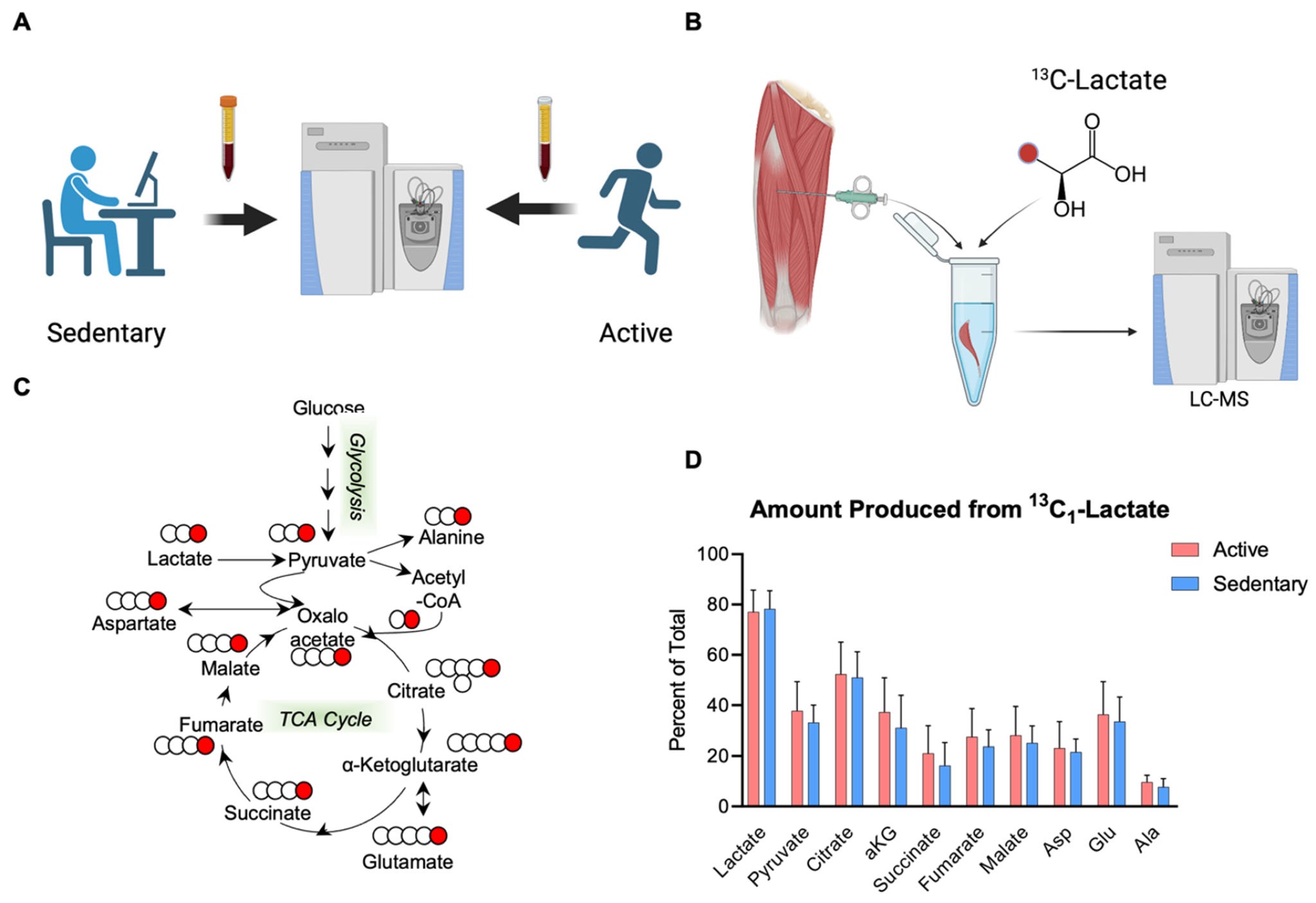
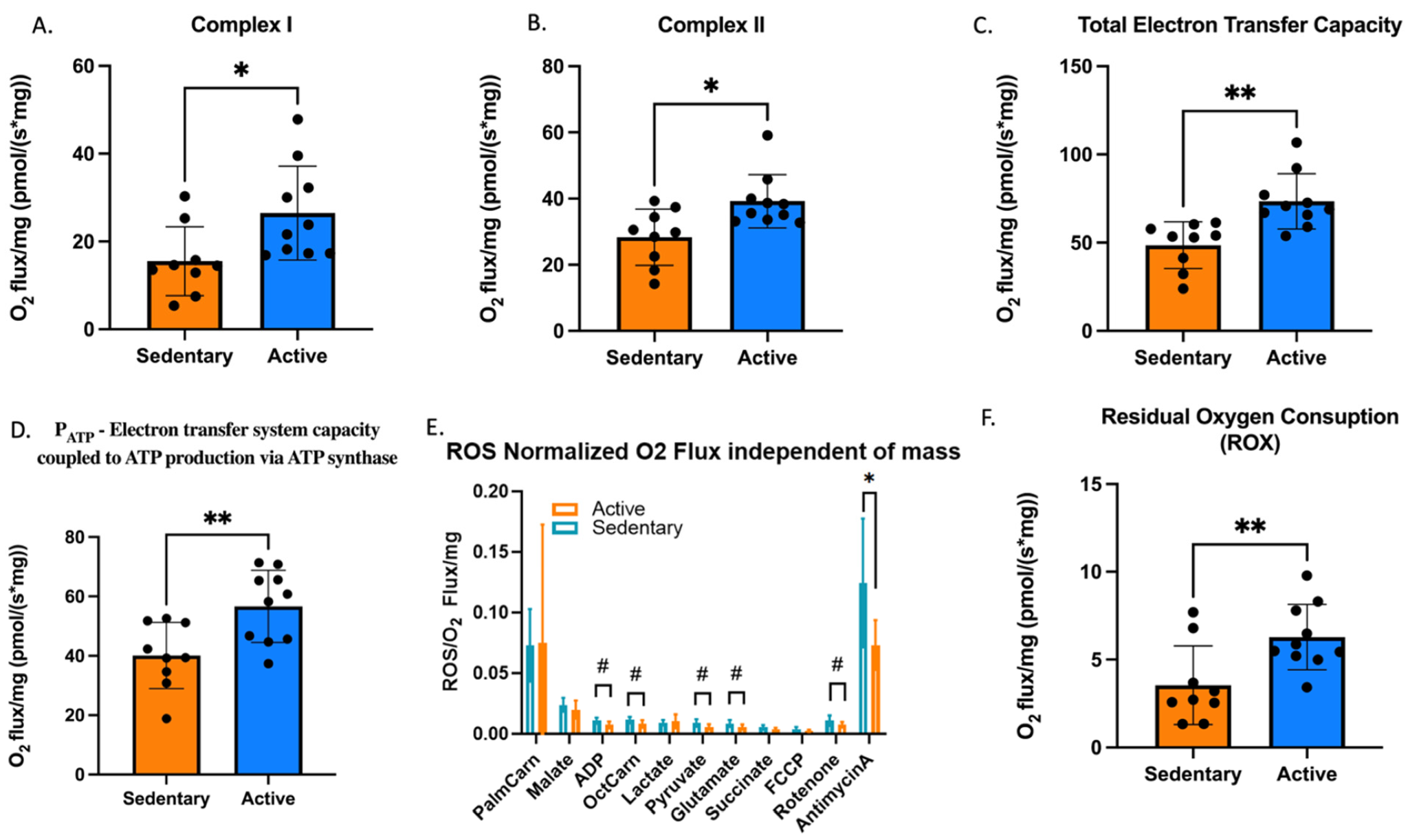
The first big difference was that the muscles of the sedentary people had a smaller aerobic engine.
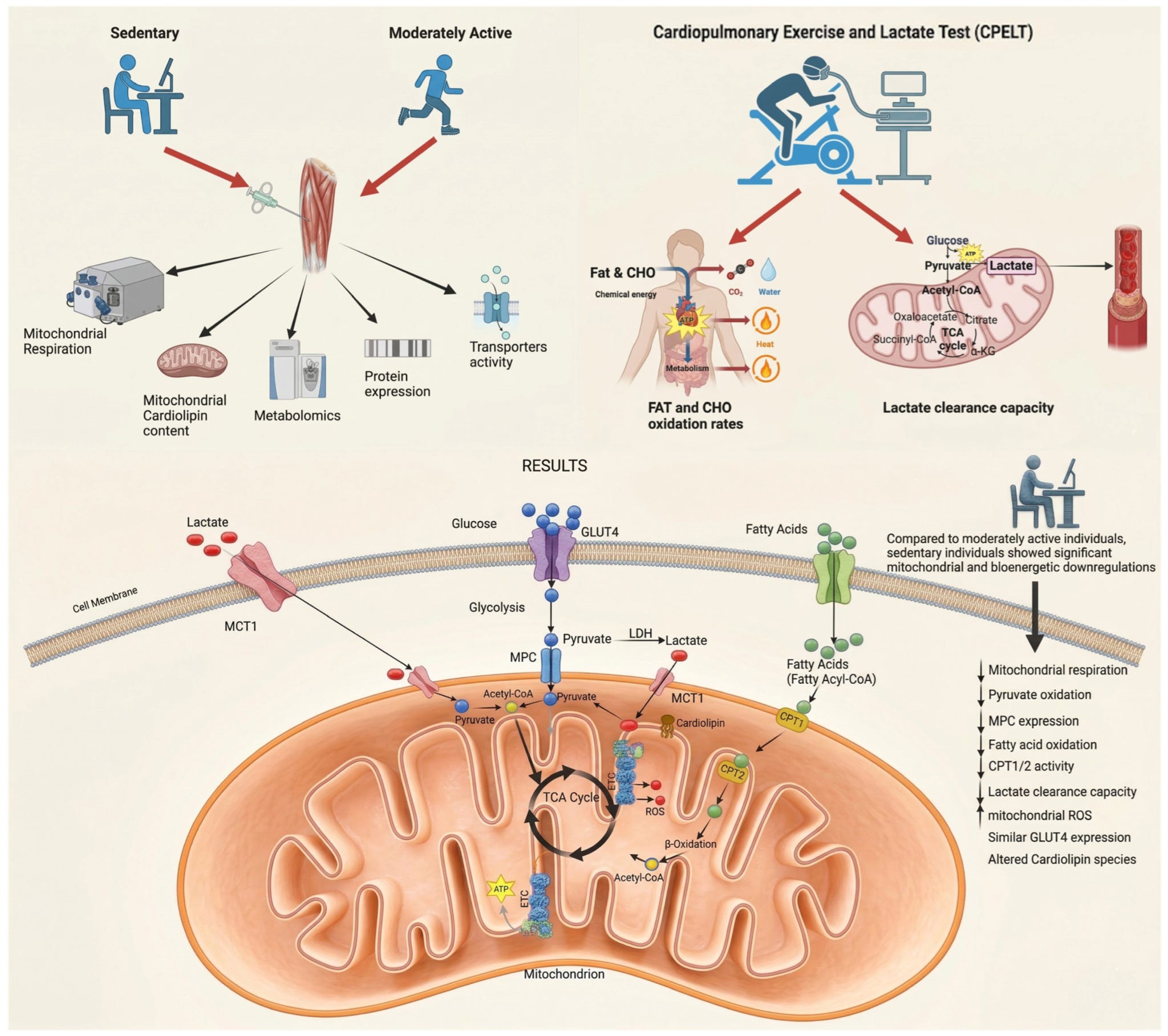
Compared with the active participants, the sedentary group had 26–36% lower capacity to produce energy across the entire mitochondrial electron transport chain (this is the “battery” that turns electron flow into ATP inside the mitochondria). For every milligram of muscle tested, the sedentary participants had roughly one-third less capacity to use oxygen and produce energy through their mitochondria.
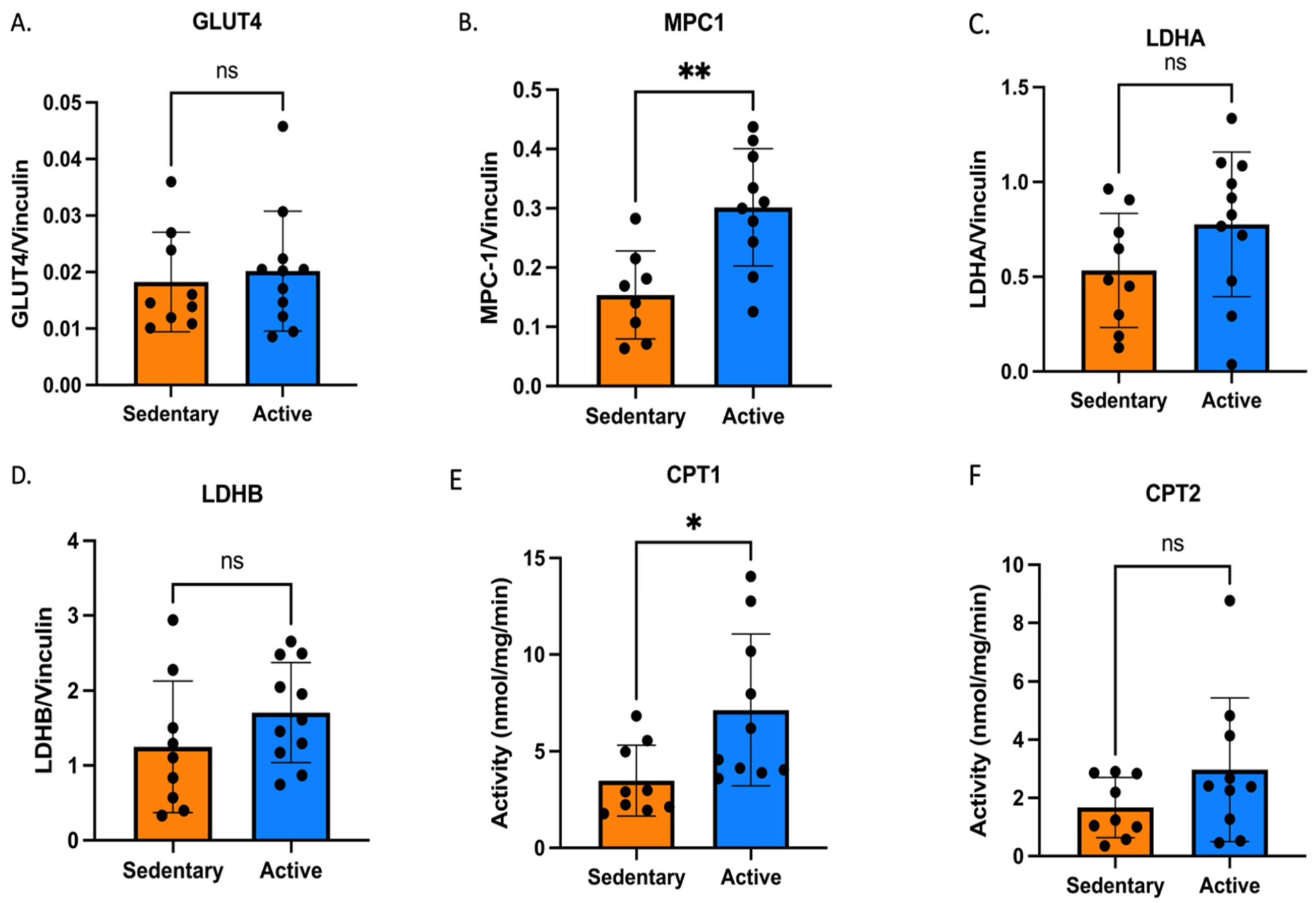
The biggest difference involved a protein called mitochondrial pyruvate carrier 1, or MPC1.
When we break down glucose, we produce pyruvate. That pyruvate then has two main options: it can enter the mitochondria and be oxidized for energy, or it can be converted into lactate. MPC1 is part of the transport system that moves pyruvate into the mitochondrial matrix. You can think of it as one of the doorways connecting the breakdown of glucose outside the mitochondria (glycolysis) to aerobic energy production inside the mitochondria.
In the sedentary participants, MPC1 abundance was 49% lower! This was the largest difference among the major proteins measured in the study, and it was accompanied by a 37% reduction in the muscle’s ability to use pyruvate to produce energy.
Interestingly, the groups had similar amounts of GLUT4, the transporter that helps move glucose into skeletal muscle cells, and similar amounts of two proteins involved in converting pyruvate and lactate back and forth. So it doesn’t appear that the groups differed in their ability to bring glucose into the muscle cell—the difference was downstream at the step where pyruvate (from glucose breakdown) enters the mitochondria.
(I get that some of this stuff sounds complex. But it’s so cool! So bear with me).
A simple way to think about this is that glucose could still reach the muscle, but the doorway into the mitochondria appeared to be narrower. This was confirmed by showing that two breakdown products of lactate (citrate and malate) were also less capable of making their way into the mitochondria in sedentary muscle compared to active muscle (about a 35–40% reduction).
Every result we’ve just talked about relates to glucose (carbohydrate) metabolism. So sedentary people might just be worse “carb burners” and make up for it by being better “fat burners.” Wrong.
In sedentary people, activity of CPT1—the enzyme that helps move fatty acids into the mitochondria—was 51% lower, and fatty-acid oxidation inside the mitochondria was 32–25% lower.
Sedentary people had a generalized reduction in the amount of oxidative machinery available within the muscle. They were worse at transporting/burning carbs and fat for energy.
And their mitochondrial membranes looked different too.
The mitochondria are not just bags of enzymes. Their internal membrane structure is critical for energy production, and a specialized fat called cardiolipin helps organize the inner mitochondrial membrane and stabilize the protein complexes involved in electron transport. Cardiolipin was significantly lower in sedentary muscle. This could reflect fewer mitochondria, altered mitochondrial membrane composition, or some combination of the two.
The researchers also measured reactive oxygen species, or ROS.
At first glance, the active participants actually produced more ROS in absolute terms. But they also had more metabolic activity, and when this was accounted for, the sedentary participants generated more ROS relative to how much oxygen they were consuming—which could mean less efficient energy production or even worse antioxidant capacity.
Another big difference is what we’ll refer to as a “metabolic traffic jam” upstream of the mitochondria. Sedentary muscle appeared to accumulate more breakdown products of carbohydrates while having less capacity to move those fuels into and through the mitochondria.
Meanwhile, the active profile was more consistent with greater use of fatty acids and more activity within the energy-producing systems in the mitochondria.
What happened when they exercised?
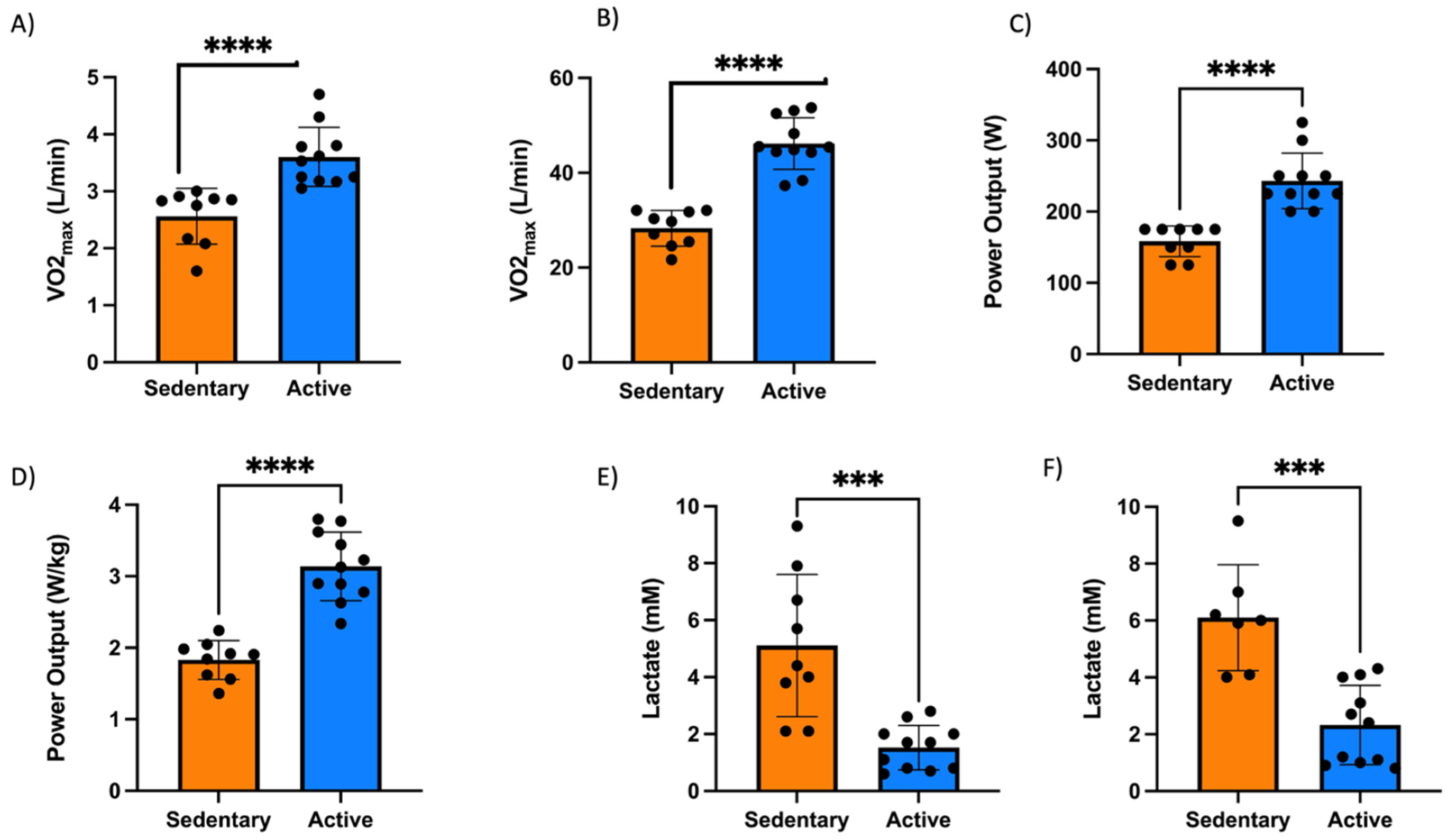
All of the differences the researchers observed between the muscles of active and sedentary participants were reflected during exercise.
The active participants had:
31% higher absolute VO₂ max
38% higher VO₂ max relative to body mass
35% higher maximal power output
42% higher power output relative to body mass
None of that should be particularly surprising. The more interesting result was how the two groups produced energy as exercise intensity increased.
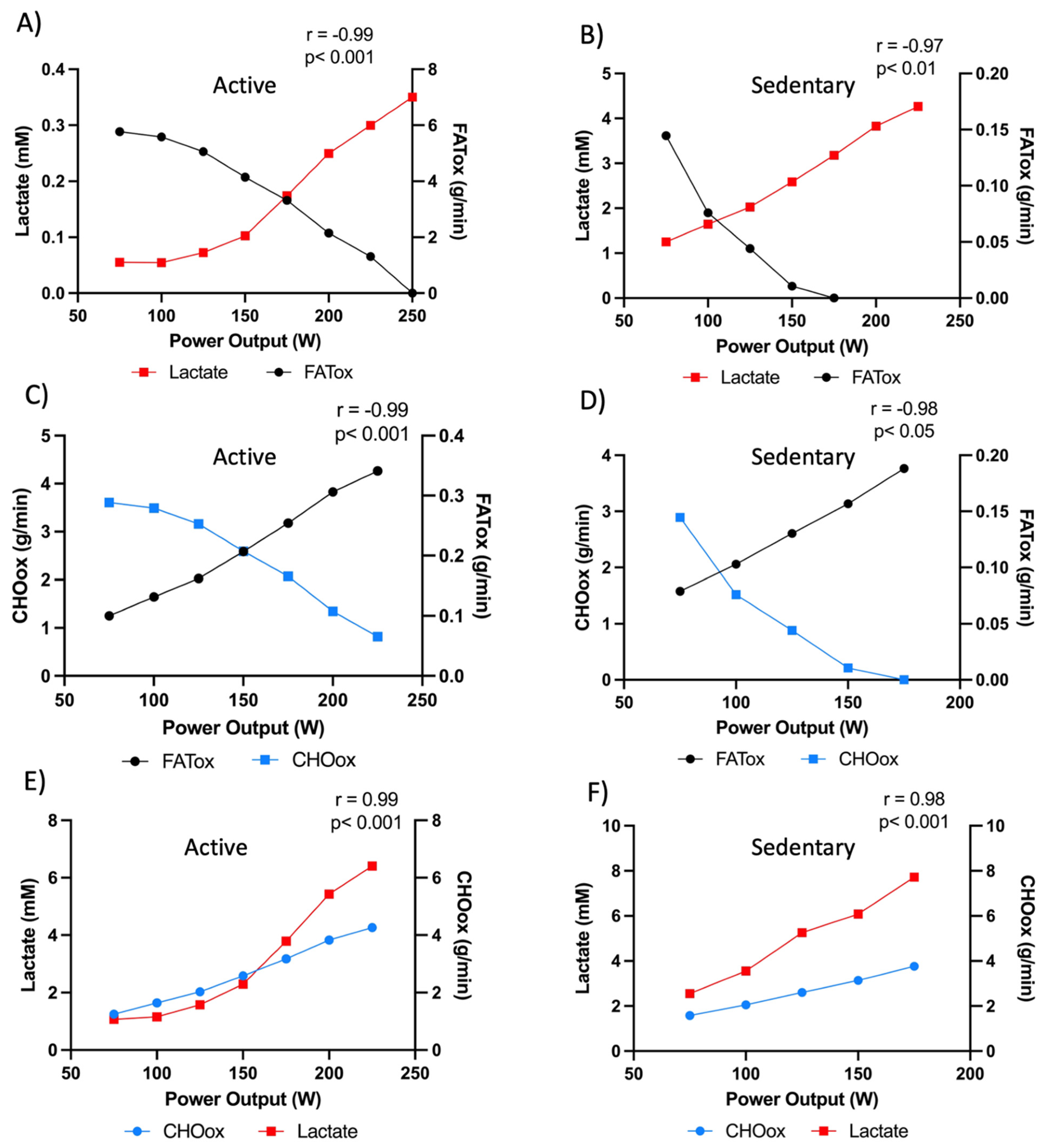
In the active group, fat oxidation rose throughout low-to-moderate exercise and peaked at around 0.35 to 0.40 grams per minute near 150 watts.
Lactate remained below approximately 1 mM across much of this range, and only as the workload became harder did fat oxidation begin to decline while carbohydrate use and blood lactate rose.
At easier workloads, the active participants could rely heavily on fat. As exercise became more demanding, they gradually shifted toward greater carbohydrate use.
This is metabolic flexibility in action, and it’s the “classic” response to increasing exercise intensity (and it’s quite beautiful, if you ask me).
The sedentary group followed a very different pattern.
Their fat oxidation peaked at only around 0.15 to 0.20 grams per minute, roughly half of what was observed in the active group. It also began falling much earlier as workload increased.
At the same time, carbohydrate use became dominant earlier and lactate began rising from the first few stages of exercise (in addition to being higher at rest, before they even started pedaling the bike).
At 125 and 150 watts, blood lactate was more than 60% higher in the sedentary participants. They reached the limits of their oxidative metabolism (“fat burning”) much earlier. They had to rely more heavily on glycolysis, resulting in earlier and greater lactate accumulation.
Now let’s get to what I think is the most practically useful part of the study.
The researchers did not just find differences between the two groups. They also found that the measurements taken from resting muscle were strongly related to what happened during exercise.
People whose muscle had a greater capacity to use fat at rest also burned more fat on the bike.
Blood lactate showed the opposite pattern. People with lower mitochondrial capacity at rest tended to accumulate more lactate during exercise. And participants with more MPC1 (the pyruvate transporter we talked about earlier) tended to burn more fat and accumulate less lactate during exercise.
Having a higher VO₂ max was also associated with better mitochondrial energy production.
All of this suggests that the lactate and fat-oxidation responses observed during an exercise test may provide some insight into what is happening inside the muscle.
The authors even propose that measuring fat oxidation and lactate during a submaximal exercise test could provide a noninvasive window into mitochondrial health.
They specifically suggest that the combination of:
Blood lactate above 2.5 millimoles per liter
Fat oxidation below 0.4 grams per minute
During exercise at approximately 50% to 60% of VO₂ max may “
“... define a noninvasive physiological signature of mitochondrial function, directly linking systemic exercise responses to underlying cellular bioenergetics.”
I would treat that threshold as a hypothesis, not a diagnostic rule. The study did not show that people who crossed this threshold went on to develop diabetes, cardiovascular disease, or any other clinical outcome. But I see this as potentially being the next thing these researchers investigate to validate their thresholds, and the broader concept is intriguing.
Rather than using VO₂ max alone, an exercise test could potentially assess how much fat someone burns, how quickly lactate rises, and where the body shifts toward greater carbohydrate reliance, which could provide a more detailed picture of metabolic flexibility than VO₂ max by itself.
For nearly all of human history, regular movement was built into daily life. Sedentarism is the newer experiment. And if this study tells us anything, it’s that skeletal muscle appears to build—and maintain—only as much capacity as it is regularly asked to use. It’s literally “use it or lose it” in action.
In that sense, the lower mitochondrial capacity in sedentary people is less a mysterious malfunction and more of a predictable adaptation to an environment that no longer requires much physical work. And it explains why it’s estimated that only about 12% of people are “metabolically healthy.”
How I think we should think about this is that exercise is not some optional “health intervention” layered on top of normal human biology. To quote the authors:
“Physical activity is a canonical characteristic of humans... the normalization of the lack of physical activity has led to the perception that physical activity is an intervention even though it remains as the modus vivendi engrained in our genes.”
That flips the usual framing not only for personal health philosophy, but for how we think about exercise science and medicine. We often assume that a person who does not exercise is starting from a neutral baseline and that training pushes physiology above normal. This paper suggests the opposite may be true—regular physical activity maintains the metabolic machinery our bodies expect to need, while inactivity allows that machinery to gradually atrophy.
The sedentary men in this study were not sick. Yet their muscles already show signs of metabolic dysfunction, which may be some of the earliest detectable steps on the path from inactivity to metabolic disease, long before a diagnosis ever appears.
None of this is to moralize exercise or physical activity. That happens too often on social media. But we can’t deny the major reality of biology.
Movement is not something we do to improve our physiology. It’s our default state.
Thanks for reading. See you next Friday.
~Brady~
Ketone-IQ is high-performance energy in a bottle. I use it for post-exercise recovery along with enhancing focus, mood, and cognition. Take 30% off your order.

Create is the first “modern creatine” brand. They sell a wide range of creatine monohydrate gummies, and just launched a new creatine + electrolyte mix product plus travel-size packets of creatine gummies. They’re giving my audience 20% off their order.

ProBio Nutrition—the all-in-one supplement that I use every single day—is offering 20% off. My preference is the tangy orange flavor, but they also sell an unflavored “smoothie booster” that’s great in a shake, smoothie, or juice.

Equip Foods makes some of the cleanest, best-tasting protein products around. I am absolutely obsessed with their Prime grass-fed protein bars (the peanut butter ones are to die for, but they also just released a new chocolate peanut butter flavor).

I left weights for about 35 minutes four days a week. I do cardio about 35 to 45 minutes every day three or four days a week on the elliptical machine three or four days running outside. But the rest of the day I am pretty much sedentary. So my question is how much activity or how much movement physical movement? Should I be engaging in the rest of the day so that I am not suffering from the ill of being sedentary. It’s gonna be difficult I think to engage in as much movement as a hunter gathers do. Or as our ancestors did anywhere from let’s say 80,000 years to go to 7 million years ago. What’s the answer?
These in-depth translations of a scientific paper are so good Brady, love when you do these types of articles. Thank you.