
This week’s chapter is brought to you by Equip Foods.
Equip’s Black Friday sale is live: 30% off everything and 40% off your first subscription order, now through December 1.
It’s also the perfect excuse to try their brand-new Chocolate Chip Cookie Dough Prime Bar: 20 grams of grass-fed beef protein and collagen, a soft almond-butter base, real chocolate chips, and zero dairy. It’s online-only, and the first batch is limited, so don’t wait too long.
Shop the Equip Black Friday sale →

Introduction — No Human Is Limited
In October of 2019, Kenyan athlete Eliud Kipchoge broke the “mythical” 2-hour marathon barrier, running 1:59:40 for 26.2 miles—a staggering 4 minutes and 34 seconds per mile for the full distance.1
It wasn’t an official world record. The shoes were special. The pacers were choreographed. The course was flatter and straighter than a typical championship loop. Say what you will about the technicalities. It’s still one of the most impressive endurance performances in human history. Kipchoge didn’t just run fast. He made a thought experiment look routine.
Then the asterisk came off. On April 26, 2026, at the London Marathon, Kenya’s Sabastian Sawe won in 1:59:30—the first legal sub-2-hour marathon in history and a new world record by 65 seconds. He wasn’t alone. Ethiopia’s Yomif Kejelcha, running his first marathon, finished 11 seconds back in 1:59:41.¹ Two men under two hours, in a real race, on a record-eligible course. What looked like a laboratory stunt in 2019 had become a race result seven years later.
Thanks to a team of scientists with access to athletes from Nike’s Breaking 2 project, we also have hard physiology on what it takes to run that fast for that long. The study—“Physiological demands of running at 2-hour marathon race pace”—was published in the Journal of Applied Physiology.2 Sixteen elite male distance runners completed treadmill work, outdoor track sessions, and lab tests measuring maximal aerobic capacity (VO₂ max), lactate threshold, oxygen cost of running, and running economy. The question was simple: what does it physiologically cost to hold 21.1 km/h—13.1 mph—for a marathon?
(If you want a visceral sense of that pace, go to a local track and try to run a single lap in 68 seconds. These men did that roughly 104 times in a row without stopping).
A few findings from that paper still make me sit up:
The oxygen cost of running at 2-hour marathon speed was about 191 milliliters of oxygen per kilogram of body weight per kilometer.²
That cost corresponded to roughly 95% of the athletes’ VO₂ peak.²
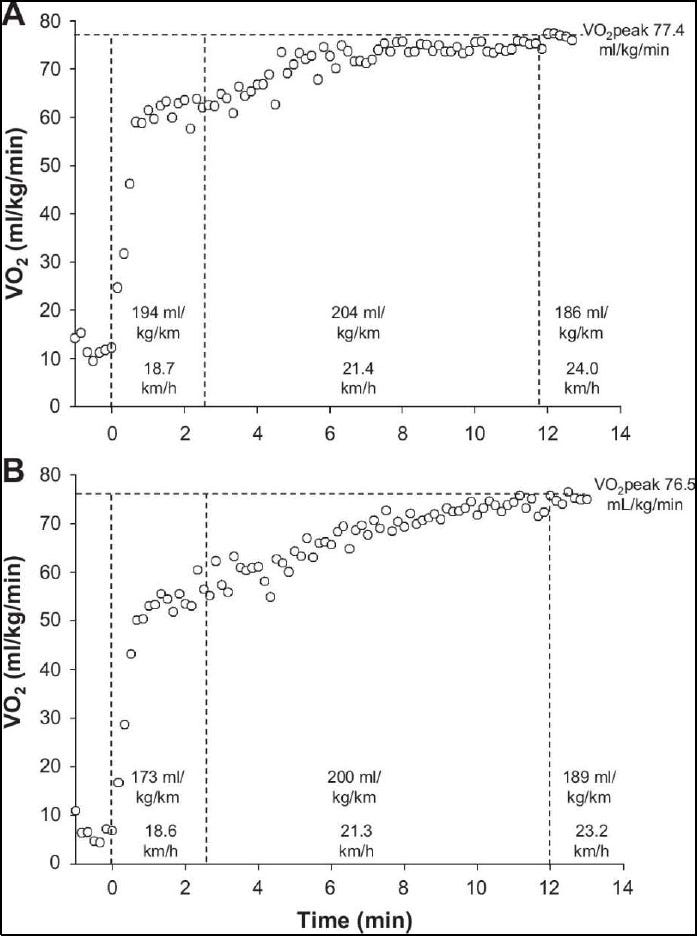
Those are elite numbers on elite athletes. Knowing the oxygen cost of 13.1 mph for 26.2 miles isn’t just nerdy trivia—it’s a blueprint.
To officially break two hours under record-eligible conditions, someone needed an even better mix of economy, durability, and aerobic ceiling than the field had ever seen. Breaking 2 had already showed what happens when you minimize air resistance, reduce energy lost to hills and corners, and (most controversially) put AlphaFly-level footwear on the foot.3 London 2026 showed that the blend can now get it done on a record-eligible course.
And then there was Kipchoge’s line, which is why this chapter exists under the title: “No human is limited.”
Most of us will never run a sub-2. That’s fine. Awe is still useful. Elite physiology is a microscope on what’s possible when every link in the oxygen chain is dialed in. It also reminds you that VO₂ max isn’t a trivia score for Instagram. It’s one of the main reasons anyone can run, bike, row, or hike hard for a long time—and one of the best signals we have for how long and how well you’ll live.
One paragraph on what VO₂ max is
VO₂ max is the maximal rate at which your body can take up and use oxygen during intense exercise—usually expressed relative to body mass as milliliters of oxygen per kilogram per minute (ml/kg/min).
Air in the lungs, oxygen into the blood, blood pumped by the heart, oxygen pulled into working muscle and burned in mitochondria for ATP. Push hard enough on a treadmill or bike with a metabolic cart, and you’ll find the ceiling of that whole system. That ceiling is your VO₂ max (or, depending on how clean the test was, your VO₂ peak—we’ll get precise about the difference in Chapter 1 and again when we talk testing).
Higher ceilings help athletes go faster for longer. They also, across huge cohorts, track with living longer.45
The dual thesis: performance ceiling and longevity vital sign
This book has two jobs that used to live in separate conversations.
First: VO₂ max is a core determinant of endurance performance.
It’s not the only one—lactate threshold, economy, critical speed/power, and metabolic durability decide who wins on race day—but it sets the size of the engine.67 Elite endurance athletes typically have VO₂ max values double that of your average desk worker. In the Breaking 2 physiology work, sustaining marathon pace required something like 77 ml/kg/min of oxygen uptake.² Anyone whose max sits there is already in rare company. Those athletes were doing it submaximally. Their ceilings were higher still, and they could hold a huge fraction of that ceiling without falling apart. That’s the performance story: big engine, high sustainable percentage, cheap cost of locomotion.⁶
Second: the same metric is one of the strongest predictors of how long you’ll live and how hard chronic disease will hit you.
Cardiorespiratory fitness (CRF)—often measured as VO₂ max or VO₂ peak on a graded exercise test—predicts all-cause and cardiovascular mortality as well as, and often better than, many of the risk factors your annual physical obsesses over.89 Raise fitness by about one MET (3.5 ml/kg/min), and modern meta-analyses put the all-cause mortality association around 11% lower risk per MET.⁴ Climb out of the bottom of the fitness distribution, and the absolute payoff is enormous.⁸,10 Stay near the top, and large cohorts haven’t found a clear “too fit to be healthy” ceiling for mortality.⁸ That’s the longevity story.
It’s the same physiology with two payoffs. And it’s why it’s one number worth knowing.
Kipchoge’s line wasn’t a slogan for elites only. It was a reminder that limits move when preparation, physiology, and opportunity line up. Your version of “no human is limited” probably isn’t a 1:59 marathon. It might be climbing out of the bottom fitness quintile. It might be keeping a high VO₂ max into your sixties so stairs don’t feel like a workout. It might be adding four honest minutes at a hard effort and discovering your heart still adapts.
On that note, let’s get into the essentials.
Chapter 1 — VO₂ Max: The Fountain of Youth
You go to your doctor for a routine checkup.
They check your pulse, measure your blood pressure, and probably weigh you on a scale (shoes on, of course) and take your height (shoes off, of course). You might get a blood draw for cholesterol, blood glucose, maybe a TSH if someone’s feeling thorough. Any pressing concerns get a polite nod. Otherwise it’s business as usual. Clean bill of health. See you next year.
A panel of numbers in the “normal” range is usually taken to mean you’re on the right path—or at least not obviously doomed. Fair enough. Fasting lipids and resting vitals matter.
But could we be doing more?
Is there a better, more comprehensive way to assess your physical state—one that predicts health and longevity at least as well as (and often better than) those snapshot risk factors, and one that actually maps onto what your body can do in the real world?
Lately, cardiorespiratory fitness has crashed the mainstream conversation. Zone 2 training went from coach jargon to lifestyle and wellness content. Wearables spit out a “VO₂ max” estimate after a few runs. Longevity discourse talks about aerobic capacity the way it used to talk about supplements. That awareness is something to celebrate. It’s also messy. Ambiguous zone charts, oversold easy-only plans, and watch scores treated like diagnoses don’t make anyone fitter—they just invent a new myth stack with nicer branding.
Knowing that cardiovascular fitness matters is step one. Knowing your fitness—objectively—is step two.
One of the best ways to do that is to know your maximal aerobic capacity. Otherwise known as your VO₂ max.
Defining VO₂ max
VO₂ max is one of the most-used outcome measures in exercise science for a reason: it compresses a lot of physiology into a single number.
At its core, VO₂ max is the maximal rate at which your body can take up and use oxygen during intense, whole-body exercise. You’re breathing. Your heart is pumping. Your muscles are extracting oxygen and feeding it to mitochondria to make ATP—the energy currency that lets you keep moving. Push the system hard enough, and oxygen use stops rising even if work rate ticks up a little more. That plateau (when you get one) is the classical signature of VO₂ max.1112
A few distinctions matter before we get sloppy with language.
Quick definitions box
VO₂ max — maximal rate of O₂ uptake/use (classically with plateau).
VO₂ peak — highest VO₂ on a given test (honest label when plateau is absent).
Absolute — L/min (engine size).
Relative — ml/kg/min (engine size per kilogram—usually what you mean).
1 MET — 3.5 ml/kg/min (resting oxygen consumption by convention).
Absolute vs relative
Absolute VO₂ max is usually reported in liters of oxygen per minute (L/min). It’s the raw engine size—how much oxygen your whole body can process. Bigger people and people with more muscle often post higher absolute numbers even if they’re not “fitter” per kilogram.
Relative VO₂ max divides that by body mass: ml/kg/min. This is the number you’ll see on norms charts, in most training conversations, and in the longevity literature. It asks: how much oxygen can you process for your size? That’s what matters when you’re moving your body up a hill, through a 5K, or—bluntly—carrying yourself through the decades.
Lose fat mass without losing aerobic power, and relative VO₂ max rises even if the engine didn’t get bigger. Pack on non-functional mass, and relative VO₂ max falls even if absolute capacity held steady. We’ll come back to body mass in the nutrition chapter. For now, when someone says “my VO₂ max is 42,” they almost always mean relative.
VO₂ max vs VO₂ peak
VO₂ max implies you truly hit a physiological ceiling—classically, a plateau in oxygen uptake despite increasing work.
VO₂ peak is the highest oxygen uptake recorded on a given test. Many people—especially on a bike, or when a test stops for symptoms, or when motivation fades—never show a clean plateau. Secondary criteria (RER, lactate, heart rate, RPE) get used as proxies, and they’re imperfect.¹²,13 In clinical and research settings you’ll often see VO₂ peak reported honestly rather than VO₂ max claimed more loosely.¹²
For this book’s longevity chapters, the practical point is blunt: whether the lab labeled it max or peak, a higher measured aerobic capacity still tracks with better outcomes. For the testing chapter later, we’ll get pickier about verification bouts and what “true max” means.¹² Don’t let the terminology stop you from getting a number.
METs: the translator unit
One MET (metabolic equivalent of task) is resting oxygen consumption—by convention 3.5 ml/kg/min.14
So:
10 METs ≈ 35 ml/kg/min
12 METs ≈ 42 ml/kg/min
15 METs ≈ 52.5 ml/kg/min
Epidemiologists love METs because a “1-MET improvement” is an intuitive dose: about 3.5 ml/kg/min. That’s a meaningful jump for most beginners, and it’s the unit behind the mortality statistics you’re about to see.15
What a “good” number looks like
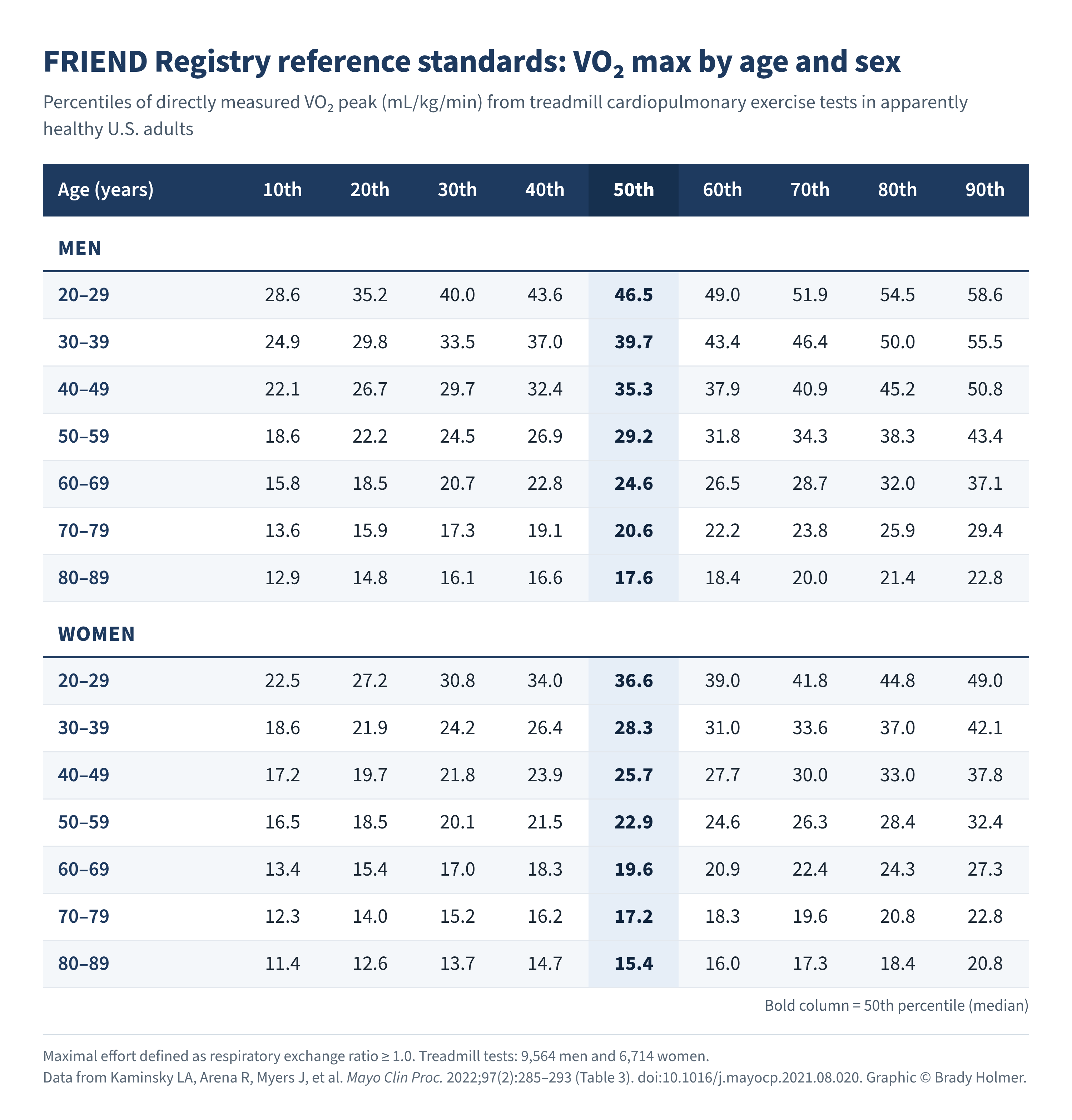
I’m not going to paste a full norms table into the middle of this chapter—that’s what Appendix C is for, built primarily from FRIEND/Kaminsky 2022 standards.16 What you need conceptually:
Sex matters. Average male values sit higher than average female values at the same age, largely from differences in body composition, hemoglobin, and heart size.17,⁶
Age matters. The same absolute ml/kg/min that looks “fair” at 55 might look pedestrian at 25.
Mode matters. Treadmill tests typically produce higher VO₂ peak than cycle tests because more muscle mass is recruited.¹⁶,18
Percentiles beat raw hero numbers. “Am I above average for my age and sex on this mode?” is a better question than “Is 50 good?”
If you’re in the bottom quintile or tertile for your group, Chapter 1’s epidemiology is not abstract. You’re sitting where risk concentrates.
The oxygen pathway in plain language
Before we talk lifespan, it helps to see what the number is measuring.
Oxygen doesn’t teleport into your quads.
Lungs: You breathe. Oxygen crosses into blood in the alveoli.
Blood: Hemoglobin carries that oxygen. Anemia, carbon monoxide, altitude—anything that cuts carrying capacity cuts VO₂ max.⁷
Heart: Cardiac output (heart rate × stroke volume) pushes oxygenated blood to working muscle. For whole-body exercise, maximal cardiac output—especially stroke volume—is usually the headline limiter.⁷
Vessels & capillaries: Blood has to get to muscle fibers and linger long enough for diffusion.⁷
Muscle & mitochondria: Oxygen leaves the capillary, enters the cell, and gets used in mitochondria to make ATP.⁷
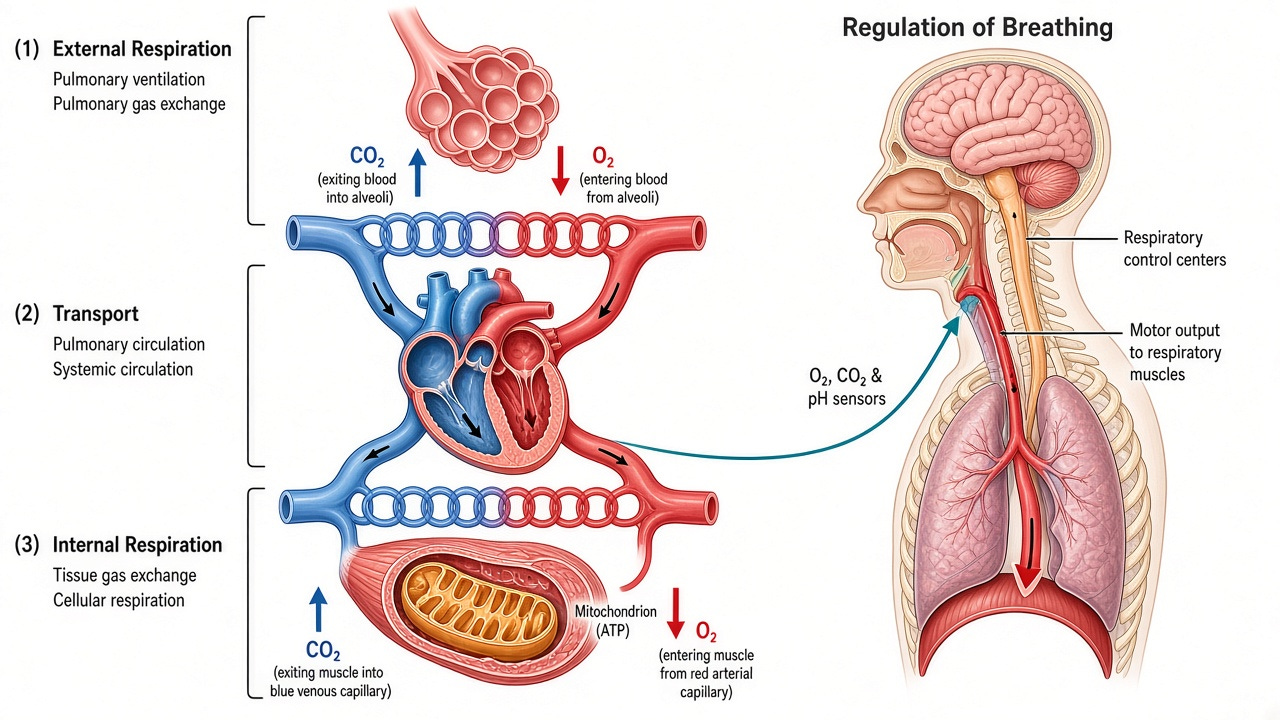
A high VO₂ max is not “just a strong heart,” though a strong pump helps. It’s a whole-system scorecard. That’s exactly why it works so well as a health marker.
VO₂ max and longevity
There is an enormous amount of evidence that cardiorespiratory fitness predicts your risk of cardiovascular disease and death—and that the association is often stronger than for many traditional risk factors we fetishize on lab panels (cholesterol snapshots, BMI alone, resting glucose on a good day).⁸,⁹
This isn’t a new idea. Steven Blair and colleagues’ classic Aerobics Center Longitudinal Study work in JAMA already linked fitness to all-cause mortality in healthy men and women decades ago.19 What’s changed is the scale of the evidence and how loudly the culture finally noticed… and sometimes pushed back.
From Blair to the Attia era (same finding, louder speakers)
Blair’s 1989 JAMA paper didn’t go viral on TikTok. It went viral the old-fashioned way: it kept being right.⁴,⁵
What’s new isn’t the direction of the association. It’s that longevity culture finally dragged CRF into the same sentence as ApoB, Zone 2, and continuous glucose monitors. Good. Also dangerous, because once a biomarker becomes content, people start optimizing the aesthetic of knowing it rather than the physiology of raising it.
My take, updated for this edition: celebrate the mainstreaming. Then insist on adult epistemology. A watch widget is not a vital sign. A 1-MET improvement you actually earned in training is a vital-sign change.
The per-MET dose–response
In a 2022 meta-analysis in Mayo Clinic Proceedings, Laukkanen, Isiozor, and Kunutsor pooled 37 cohorts and more than 2.2 million people with objectively assessed CRF. Compared with the bottom fitness tertile, people in the top tertile had about 45% lower all-cause mortality.⁴ Per 1-MET higher CRF, all-cause mortality was about 11% lower.⁴
That ~11% figure is the one I’ll treat as the primary modern all-cause number in this book.⁴
You’ll also hear 15% thrown around. Here’s the careful version. Kodama and colleagues’ landmark 2009 JAMA meta-analysis—the paper that helped cement 1 MET as a clinically meaningful change—found roughly 13% lower all-cause mortality and 15% fewer CHD/CVD events per MET.¹⁵ The 15% was for cardiovascular events, not a license to say “15% lower all-cause mortality” and walk away.¹⁵
A 2024 overview in the British Journal of Sports Medicine (Lang et al.) looked across meta-analyses representing more than 20.9 million observations. High vs low CRF associated with about 53% lower all-cause mortality, with per-MET all-cause reductions spanning roughly 11–17% depending on the analysis, plus large associations for outcomes like incident heart failure.⁵ Certainty of evidence isn’t perfect, but the direction and dose–response are stubbornly consistent.⁵
The line I’ll stand on: Across modern meta-analyses, each 1-MET (~3.5 ml/kg/min) higher CRF associates with roughly 11–13% lower all-cause mortality and about 15% fewer CVD events.¹⁵,⁴ The jump out of the bottom of the fitness distribution matters most.⁸
And that 1-MET improvement? For previously undertrained people, it’s often attainable in something like 6–8 weeks of focused aerobic work.2021 A training block.
No clear ceiling—and the bottom is the danger zone
If the per-MET stats are the dose, a Cleveland Clinic treadmill cohort is the shape of the curve.
Mandsager and colleagues studied 122,007 adults who underwent exercise treadmill testing, with a median follow-up of 8.4 years.⁸ Elite fitness (roughly the top 2–3%) versus low fitness carried an adjusted hazard ratio around 0.20—about an 80% lower mortality rate in that comparison.⁸ Elite vs merely high still favored elite.⁸ Low fitness looked as bad as—or worse than—traditional risk factors like smoking, diabetes, and coronary disease in their framing.⁸ Critically: they didn’t see an upper limit of benefit. Fitter kept looking better.⁸
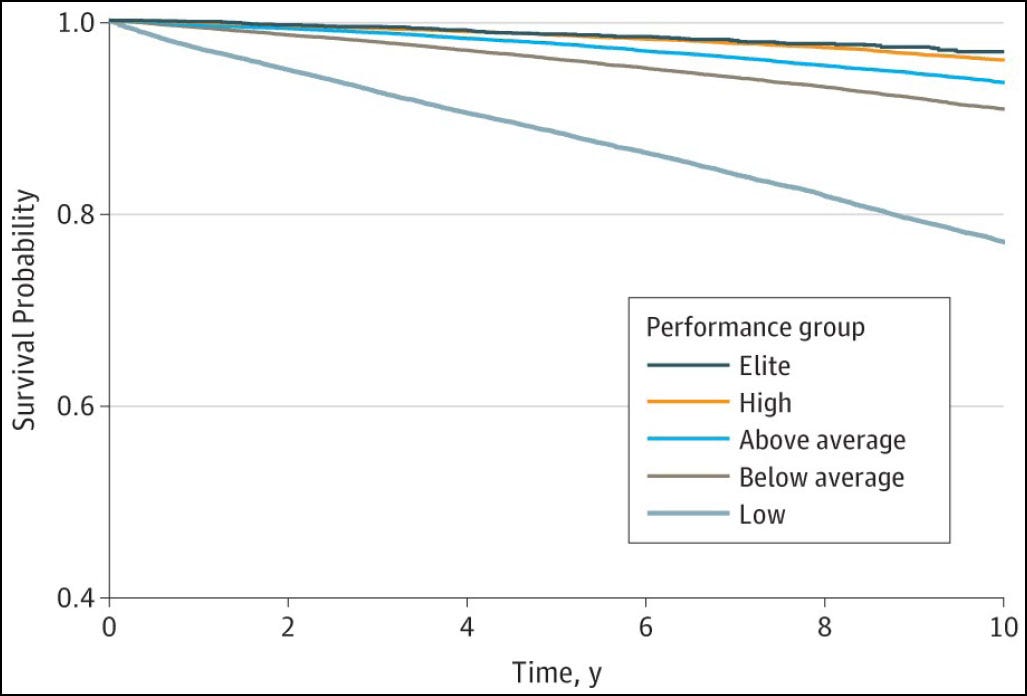
Think about what “low fitness” means in that dataset. It’s not “failed to qualify for Boston.” It’s the bottom of a clinical treadmill distribution—people whose engines are already whispering bad news. If low CRF can rival smoking and diabetes as a risk marker in that framing, then leaving low CRF unmeasured in routine care is neglect.
The “no upper limit” finding also deserves a sober reading. It does not mean infinite volume is infinitely healthy. It means that within a massive clinical testing cohort, higher measured fitness kept associating with lower mortality without a clear plateau where “too fit” flipped the curve.⁸ It doesn’t mean elite athletes will automatically live longer because they’ve got a larger engine (although there’s some data to suggest that, on average, they do).
It also doesn’t mean you should chronically overtrain yourself. Extreme-exercise risk questions are real and mostly separate from the CRF–mortality curve we’re talking about here. The public-health message is not “become a professional triathlete.” It’s “don’t live in the bottom bin.”
When fitness changes, risk changes
Observational residual confounding is the usual objection—maybe fit people just have their lives together. Fair to ask. Change-in-fitness data help. But separate work shows that improvements in CRF associate with better survival, including in people with and without cardiovascular disease.¹⁰ You can’t randomize 100,000 people to “get fitter or else” for a decade and count deaths. You can notice that the risk marker moves when the physiology moves.
Fitness vs fatness and why lipid panels aren’t the entire check-up
Obesity matters. Metabolic disease matters. I’m not here to pretend body composition is irrelevant.
But “fitness vs fatness” meta-analytic work has repeatedly found that cardiorespiratory fitness attenuates a lot of the mortality risk associated with higher BMI—and that unfit normal-weight people often look worse than fit people carrying more fat.22 Translation for this chapter: if your only longevity plan is weighing less while remaining aerobically frail, you’re optimizing the wrong dashboard light. Train the engine. Let body mass be a variable you manage, not the whole thing.
Blood tests and resting vitals are also a snapshot. And they’re useful, but incomplete.
Unless you’re trending labs thoughtfully over time, a single morning draw tells you a limited story about what your cardiovascular system can do under load. VO₂ max (or a well-run peak test) is different. It’s an integrative stress test of the organism. Autonomic control, heart and vessels, lungs, muscle mass and quality, mitochondrial function—they all show up in the number. That’s why CRF so often outperforms any single traditional risk factor in head-to-head prediction:⁸,⁹ it’s not competing with cholesterol. It’s summing the systems cholesterol only vaguely implies.
In my non-expert-but-I’ve-read-the-papers opinion, a yearly physical that never asks about fitness is an incomplete physical. Shoes-on weight and shoes-off height will not tell you much, if anything, about your health.
A simple translation
Suppose two 50-year-olds leave the clinic with similar “normal” labs.
One can barely sustain a brisk hill walk. Their estimated or measured CRF sits in the lowest group for age and sex.
The other trains three to four days a week, mixes easy aerobic work with one honest hard session, strength trains twice, and posts a VO₂ max in the upper third.
Same chart-paper reassurance. Wildly different integrated physiology. Wildly different risk curves in the literature we’ve just walked through. Only one of those differences shows up if someone bothers to measure fitness.
That’s the so-what of the incomplete checkup.
The dose–response
You’ll see ranges in this book on purpose. ~11% per MET all-cause from Laukkanen 2022. ~13% all-cause and ~15% CVD events from Kodama 2009.¹⁵ ~11–17% spanning meta-analyses in Lang 2024.⁵ That isn’t inconsistency so much as different cohorts, methods, and endpoints. What⁴ would be dishonest is flattening all of that into a single marketing number. I won’t do that.
When someone online says “each MET is 15% less death,” ask: all-cause or CVD events? Measured or estimated CRF? Which meta-analysis?
Muscle, mitochondria, and heart as health signals
People hear “aerobic capacity” and picture a heart rate strap. Fair. Central oxygen delivery is huge—especially maximal cardiac output and stroke volume for whole-body exercise. We’ll spend serious time on that in the chapter about the oxygen cascade.
But don’t miss the periphery (that’s everything downstream of the heart and lungs).
More high-quality muscle generally means more capacity to extract and use oxygen—higher (a–v)O₂ difference potential—and muscle quantity/quality are themselves tied to morbidity, mortality, and independence with age.23 VO₂ max isn’t a pure “cardio” score divorced from sarcopenia risk. It’s entangled with it.
Mitochondria—oversimplified as the “powerhouses,” still indispensable—determine how effectively oxygen becomes ATP. Mitochondrial function is metabolic health. Training that raises VO₂ max often comes packaged with mitochondrial and capillary adaptations that also make submaximal life (and long workouts) cheaper.⁶,⁷ Even when mitochondrial gains matter more for sustainable pace than for the absolute VO₂ max number (spoiler for Chapters 3 and 8) they’re part of why the fitness phenotype is so protective.
Heart and vessels remain non-negotiable. Cardiovascular disease still kills more people worldwide than any other disease.24 Aerobic fitness is one of the few levers that simultaneously trains the pump, the pipes, and the tissue that consumes what the pump delivers.
Heart. Muscle. Mitochondria. Co-equal characters in the same play.
Genetics influence the ceiling and the training response,25 but genetics are not a permission slip to skip the stimulus. Trainability gets its own chapter. The spoiler: almost everyone can move the needle with the right dose.
Fitness isn’t a personality
One more cultural cleanup before we leave Chapter 1.
High VO₂ max doesn’t make someone morally superior. Low VO₂ max doesn’t make someone lazy by default—disability, disease, access, caregiving, poverty, and bad advice all shape the distribution. The epidemiology still holds at the population level: low CRF concentrates risk.⁸,⁵
That’s why this book ends in a program.
If you’re already fit, don’t get smug; get precise. Marginal gains still matter,⁸ and aging (next chapter) will try to claw them back. If you’re rebuilding, don’t get doomed. One MET is ~3.5 ml/kg/min and a few honest months of training.¹⁴,²¹
Should medicine measure it routinely?
If something this predictive sits one graded exercise test away, should clinics treat CRF like a vital sign?
Serious people (and me) have said “yes” out loud. The American Heart Association’s scientific statement made the case for assessing cardiorespiratory fitness in clinical practice.⁹ Lavie, Arena, and Kaminsky26 followed with a pointed Mayo Clinic Proceedings case for measuring and improving CRF in routine care—not just admiring it in journals.²⁶
What you’d actually get from a serious test
When people say “VO₂ max test,” they sometimes mean a cheap estimate and sometimes mean a full cardiopulmonary exercise test (CPET). The latter is the grown-up version: graded work on treadmill or cycle, breath-by-breath gas exchange, ECG monitoring, and a report that can include more than the headline number—ventilatory thresholds, O₂ pulse, ventilatory efficiency, RER, and clues about whether the limit looked cardiac, pulmonary, peripheral, or “I quit because it got hard.”⁹
Chapter 7 will teach you how to shop for and interpret that. Chapter 1 only needs this: if medicine already accepts that blood pressure deserves a cuff, CRF deserves a protocol. Ross et al.⁹ said it as an AHA scientific statement. Lavie, Arena, and Kaminsky said it as a practical case to measure and improve. I’m with them.
If your clinician won’t order it, you can still buy the information in the performance-medicine marketplace and bring the result to the conversation.
The barriers are real. Testing requires trained personnel, metabolic carts or at least validated treadmill protocols, time, and skill in interpretation. Widespread gold-standard CPET for every annual physical isn’t happening anytime soon outside of boutique longevity clinics.
The good news is you don’t need the entire healthcare system to wake up before you act.
University labs, sports medicine clinics, and performance centers often offer metabolic testing. Cash-pay pricing varies by market—think illustrative U.S. ranges often quoted around the low hundreds of dollars. For the information density, it’s still one of the better buys in preventive health.
Field tests (Cooper 12-minute, timed miles, certain bike protocols) plug into prediction equations.2728 They’re noisier than a cart. They’re also infinitely better than vibes. Chapter 7 will give you the formulas.
Wearables will happily estimate VO₂ max after a run. I’ve voiced my opinions before, and I’m still mostly a buzzkill: useful for within-person trends if you don’t change brands every month and you interpret patiently. They are not a diagnosis and have wide limits of agreement versus CPET.293031 Sorry. Still sorry.
Norms: prefer FRIEND, not a random internet chart
If you get a number, interpret it against age-, sex-, and mode-specific reference standards. The Fitness Registry and the Importance of Exercise National Database—FRIEND—updated CRF reference standards from cardiopulmonary exercise testing.¹⁶ Those percentiles are what I want us using in this edition. ACSM charts can be a secondary reference.
Higher percentile is better. Upper third for your age/sex is a solid public-health target.¹⁶,⁴ Higher still is better for the mortality curves we’ve covered. Elite athlete numbers are a different hobby.
The Fountain of Youth, without the snake oil
It’s fun to talk fasting protocols, supplement stacks, and whatever molecule is having a moment. Some of that literature is real. Almost none of it is in the same league as moving your cardiorespiratory fitness for longevity promotion.
VO₂ max isn’t magic. It’s physiology. It integrates the systems that fail when we die of “modern life.” It responds to training. It declines with age and disuse.3233 It predicts risk better than many things we already measure without debate.
Cardiovascular disease remains the world’s leading killer.²⁴ If you can raise your VO₂ max—and especially if you can climb out of the lowest fitness category and stay out—you’ve done more for your odds than another year of debating what the best supplement stack is.
It’s the real Fountain of Youth.
Not because you’ll live forever, but because you’ll buy function, resilience, and years of high-capacity living.
Chapter close: leave the bottom bin
If you remember one thing from this chapter, make it this:
Higher is better—and the most important jump is the first one out of the bottom.
The elite-versus-low comparisons are dramatic. The per-MET math is motivating. The clinical-vital-sign case is overdue. But the asymmetric payoff is climbing from low to intermediate fitness. That’s where risk falls hardest.⁸,¹⁰ That’s where six to eight weeks of honest training can change the category you’re in. That’s where “no human is limited” stops being a marathon slogan and becomes a public-health statement.
Get a number. Prefer a lab when you can; use a field test when you can’t; treat the watch as a trendline, not a priest. Interpret yourself against FRIEND-style norms. Then train the cascade—because Chapter 2 is about to tell you what happens when you don’t.
Thanks for reading. See you next Friday.
~Brady~

Ketone-IQ is high-performance energy in a bottle. I use it for post-exercise recovery along with enhancing focus, mood, and cognition. Take 30% off your order.
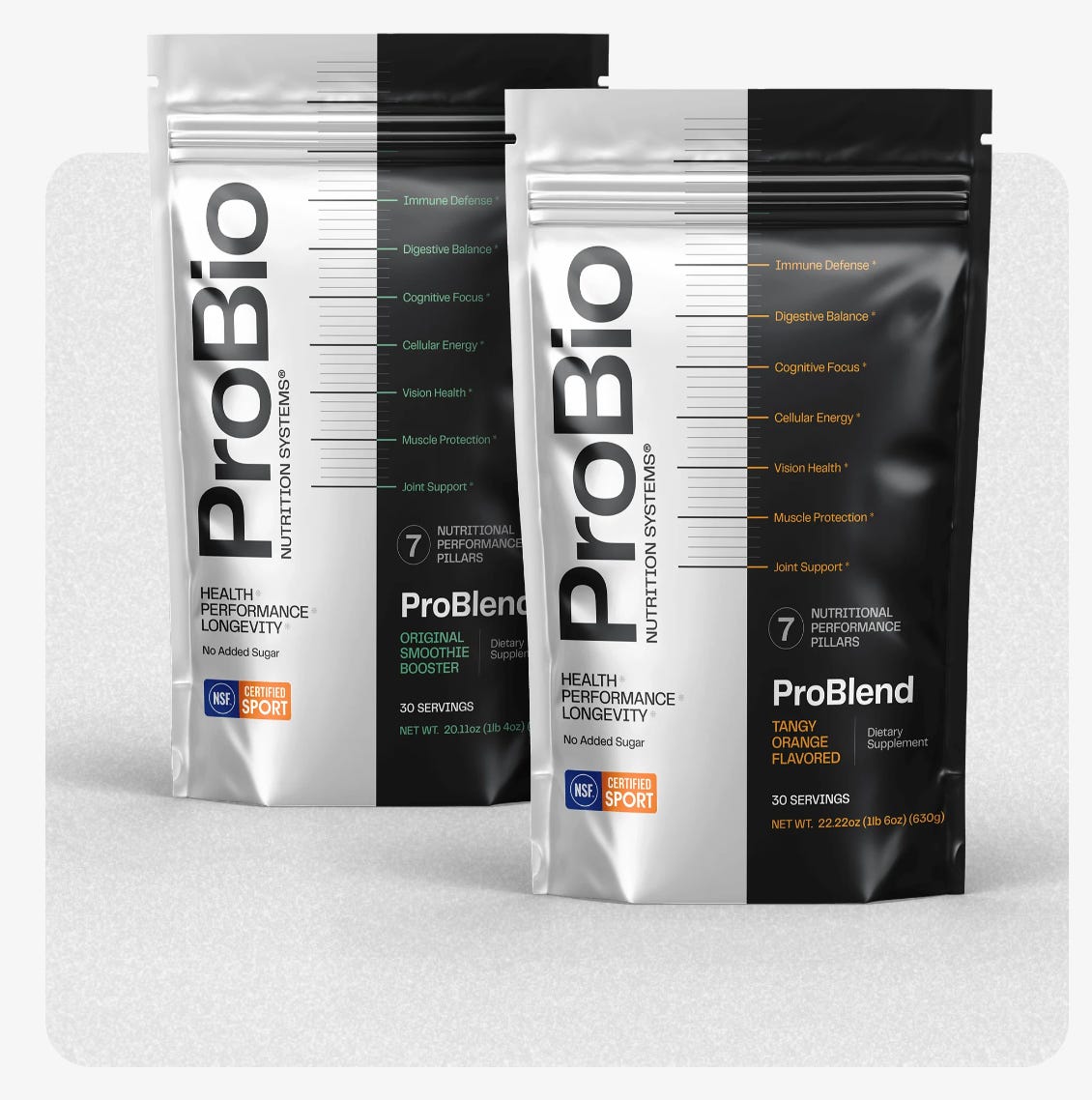
ProBio Nutrition—the all-in-one supplement that I use every single day—is offering 20% off with the code HOLMER20 at checkout. My preference is the tangy orange flavor, but they also sell an unflavored “smoothie booster” that’s great in a shake, smoothie, or juice.

Equip Foods makes some of the cleanest, best-tasting protein products around. I am absolutely obsessed with their Prime grass-fed protein bars (the peanut butter ones are to die for, but they also just released a new chocolate peanut butter flavor).

Wild Roman is an all-natural skincare brand for men who want a simple, effective routine designed to strengthen skin with modern formulas and wild-sourced ingredients. The company was started by my friend Sahil Bloom, and it’s the only skincare brand I’ve enjoyed using. Their biggest seller is the complete face routine, and I’m partial to the bar soap (seriously… it’s incredible stuff).
Shop through my link to get the $99 Face Routine, free Bar Soap, and free shipping, plus 15% off regularly priced items.
Fentuo FT. Kenya’s Sabastian Sawe shatters marathon world record in London. Olympics.com. April 26, 2026. Accessed November 20, 2026. https://www.olympics.com/en/news/kenya-s-sabastian-sawe-shatters-marathon-world-record-in-london
Jones AM, Kirby BS, Clark IE, et al. 2021. Physiological demands of running at 2-hour marathon race pace. Journal of Applied Physiology. 130(2):369-379. doi:10.1152/japplphysiol.00647.2020
Hoogkamer W, Kipp S, Frank JH, Farina EM, Luo G, Kram R. 2018. A Comparison of the Energetic Cost of Running in Marathon Racing Shoes. Sports Medicine. 48(4):1009-1019. doi:10.1007/s40279-017-0811-2
Laukkanen JA, Isiozor NM, Kunutsor SK. 2022. Objectively assessed cardiorespiratory fitness and all-cause mortality risk: An updated meta-analysis of 37 cohort studies involving 2,258,029 participants. Mayo Clinic Proceedings. 97(6):1054-1073. doi:10.1016/j.mayocp.2022.02.029
Lang JJ, Prince SA, Merucci K, et al. 2024. Cardiorespiratory fitness is a strong and consistent predictor of morbidity and mortality among adults: An overview of meta-analyses representing over 20.9 million observations from 199 unique cohort studies. British Journal of Sports Medicine. 58(10):556-566. doi:10.1136/bjsports-2023-107849
Joyner MJ, Coyle EF. 2008. Endurance exercise performance: The physiology of champions. The Journal of Physiology. 586(1):35-44. doi:10.1113/jphysiol.2007.143834
Bassett DR, Howley ET. 2000. Limiting factors for maximum oxygen uptake and determinants of endurance performance. Medicine & Science in Sports & Exercise. 32(1):70-84. doi:10.1097/00005768-200001000-00012
Mandsager K, Harb S, Cremer P, Phelan D, Nissen SE, Jaber W. 2018. Association of cardiorespiratory fitness with long-term mortality among adults undergoing exercise treadmill testing. JAMA Network Open. 1(6):e183605. doi:10.1001/jamanetworkopen.2018.3605
Ross R, Blair SN, Arena R, et al. 2016. Importance of assessing cardiorespiratory fitness in clinical practice: A case for fitness as a clinical vital sign: A scientific statement from the American Heart Association. Circulation. 134(24):e653-e699. doi:10.1161/CIR.0000000000000461
Kokkinos P, Faselis C, Samuel IBH, et al. 2023. Changes in cardiorespiratory fitness and survival in patients with or without cardiovascular disease. Journal of the American College of Cardiology. 81(12):1137-1147. doi:10.1016/j.jacc.2023.01.027
Bassett DR, Howley ET. 1997. Maximal oxygen uptake: “Classical” versus “contemporary” viewpoints. Medicine & Science in Sports & Exercise. 29(5):591-603. doi:10.1097/00005768-199705000-00002
Poole DC, Jones AM. 2017. Measurement of the maximum oxygen uptake VO2max: VO2peak is no longer acceptable. Journal of Applied Physiology. 122(4):997-1002. doi:10.1152/japplphysiol.01063.2016
Midgley AW, Carroll S. 2009. Emergence of the verification phase procedure for confirming true VO2max. Scandinavian Journal of Medicine & Science in Sports. 19(3):313-322. doi:10.1111/j.1600-0838.2009.00898.x
Jetté M, Sidney K, Blümchen G. 1990. Metabolic equivalents (METS) in exercise testing, exercise prescription, and evaluation of functional capacity. Clinical Cardiology. 13(8):555-565. doi:10.1002/clc.4960130809
Kodama S, Saito K, Tanaka S, et al. 2009. Cardiorespiratory fitness as a quantitative predictor of all-cause mortality and cardiovascular events in healthy men and women: A meta-analysis. JAMA. 301(19):2024-2035. doi:10.1001/jama.2009.681
Kaminsky LA, Arena R, Myers J, et al. 2022. Updated reference standards for cardiorespiratory fitness measured with cardiopulmonary exercise testing: Data from the Fitness Registry and the Importance of Exercise National Database (FRIEND). Mayo Clinic Proceedings. 97(2):285-293. doi:10.1016/j.mayocp.2021.08.020
Diaz-Canestro C, Montero D. 2019. Sex dimorphism of VO2max trainability: A systematic review and meta-analysis. Sports Medicine. 49(12):1949-1956. doi:10.1007/s40279-019-01180-z
Millet GP, Vleck V, Bentley D. 2009. Physiological differences between cycling and running: Lessons from triathletes. Sports Medicine. 39(3):179-206. doi:10.2165/00007256-200939030-00002
Blair SN, Kohl HW, Paffenbarger RS, Clark DG, Cooper KH, Gibbons LW. 1989. Physical fitness and all-cause mortality: A prospective study of healthy men and women. JAMA. 262(17):2395-2401. doi:10.1001/jama.262.17.2395
Milanovic Z, Sporis G, Weston M. 2015. Effectiveness of high-intensity interval training (HIT) and continuous endurance training for VO2max improvements: A systematic review and meta-analysis of controlled trials. Sports Medicine. 45(10):1469-1481. doi:10.1007/s40279-015-0365-0
Wen D, Utesch T, Wu J, et al. 2019. Effects of different protocols of high intensity interval training for VO2max improvements in adults: A meta-analysis of randomised controlled trials. Journal of Science and Medicine in Sport. 22(8):941-947. doi:10.1016/j.jsams.2019.01.013
Barry VW, Baruth M, Beets MW, Durstine JL, Liu J, Blair SN. 2014. Fitness vs. fatness on all-cause mortality: A meta-analysis. Progress in Cardiovascular Diseases. 56(4):382-390. doi:10.1016/j.pcad.2013.09.002
Srikanthan P, Karlamangla AS. 2014. Muscle Mass Index As a Predictor of Longevity in Older Adults. The American Journal of Medicine. 127(6):547-553. doi:10.1016/j.amjmed.2014.02.007
Roth GA, Mensah GA, Johnson CO, et al. 2020. Global Burden of Cardiovascular Diseases and Risk Factors, 1990–2019. Journal of the American College of Cardiology. 76(25):2982-3021. doi:10.1016/j.jacc.2020.11.010
Kim DS, Wheeler MT, Ashley EA. 2022. The genetics of human performance. Nature Reviews Genetics. 23(1):40-54. doi:10.1038/s41576-021-00400-5
Lavie CJ, Arena R, Kaminsky LA. 2022. Making the case to measure and improve cardiorespiratory fitness in routine clinical practice. Mayo Clinic Proceedings. 97(6):1038-1040. doi:10.1016/j.mayocp.2022.04.011
Cooper KH. 1968. A means of assessing maximal oxygen intake: Correlation between field and treadmill testing. JAMA. 203(3):201-204. doi:10.1001/jama.1968.03140030033008
Penry JT, Wilcox AR, Yun J. 2011. Validity and Reliability Analysis of Cooper’s 12-Minute Run and the Multistage Shuttle Run in Healthy Adults. Journal of Strength and Conditioning Research. 25(3):597-605. doi:10.1519/jsc.0b013e3181cc2423
Caserman P, Yum S, Göbel S, Reif A, Matura S. 2024. Assessing the Accuracy of Smartwatch-Based Estimation of Maximum Oxygen Uptake Using the Apple Watch Series 7: Validation Study. JMIR Biomedical Engineering. 9:e59459. doi:10.2196/59459
Lambe R, O’Grady B, Baldwin M, Doherty C. 2025. Investigating the accuracy of Apple Watch VO2 max measurements: A validation study. PLOS One. 20(5):e0323741. doi:10.1371/journal.pone.0323741
Železnik Mežan L. 2025. Accuracy of wearables for determining the maximal oxygen uptake and lactate threshold: a qualitative systematic review. Frontiers in Sports and Active Living. 7:1707991. doi:10.3389/fspor.2025.1707991
Fitzgerald MD, Tanaka H, Tran ZV, Seals DR. 1997. Age-related declines in maximal aerobic capacity in regularly exercising vs. sedentary women: A meta-analysis. Journal of Applied Physiology. 83(1):160-165. doi:10.1152/jappl.1997.83.1.160
McGuire DK, Levine BD, Williamson JW, et al. 2001. A 30-year follow-up of the Dallas Bed Rest and Training Study: I. Effect of age on the cardiovascular response to exercise. Circulation. 104(12):1350-1357. doi:10.1161/hc3701.096099